

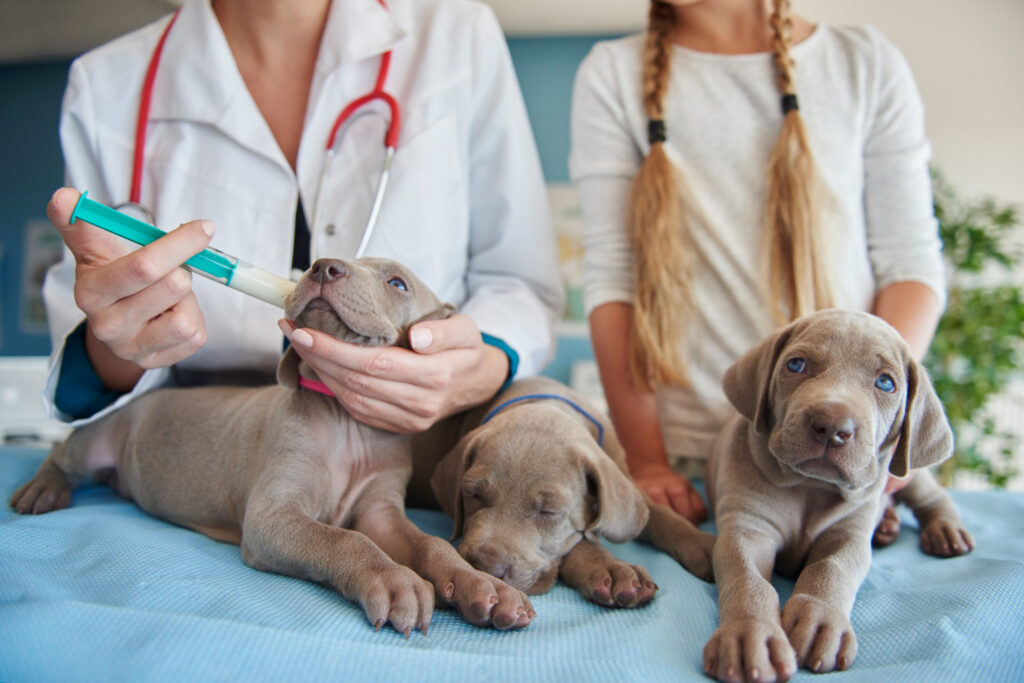
As a pet owner, your furry friend’s health and well-being are of utmost importance. One of the best ways to ensure your pet stays healthy, happy, and active is by taking them for regular veterinary visits. Many pet owners, however, might underestimate the significance of routine vet check-ups, thinking that their pet only needs to visit the vet when they’re sick. In reality, regular vet visits are essential for maintaining your pet’s health, preventing future issues, and ensuring a long and healthy life.
In this blog, we’ll explore why regular vet visits are so crucial for your pet and how these appointments can prevent serious health problems down the road. We’ll also take a look at what happens during a routine veterinary visit and how it can benefit your furry friend in the long run.
Pets can’t tell us when they’re feeling unwell, and sometimes they may not show symptoms of illness until it’s too late. Regular vet visits give your veterinarian the opportunity to perform a thorough examination of your pet’s overall health, allowing them to detect health problems early, often before symptoms become obvious.
Common health problems like dental disease, parasites, and heart conditions can develop slowly over time, and they may not show signs until they’ve become more serious. By scheduling routine vet visits, you ensure that your pet is getting the care they need before minor health issues develop into major ones.
For example, dental disease is a silent issue in many pets. Regular veterinary check-ups can identify the early stages of gum disease, allowing for proper treatment before it causes pain, tooth loss, or infection. Similarly, issues like heart disease or kidney problems can often be managed more effectively if diagnosed early.
Vaccinations and preventative care are some of the most important aspects of regular vet visits. Many diseases that can affect your pet, such as rabies, distemper, and parvovirus in dogs, or feline leukemia and rabies in cats, can be prevented with the right vaccinations. By keeping up with your pet’s vaccination schedule, you’re helping to protect them from potentially life threatening illnesses.
In addition to vaccinations, regular vet visits are an opportunity to keep your pet up-to-date with other preventative treatments, such as flea, tick, and heartworm prevention. These treatments are essential, especially if your pet spends time outdoors or in contact with other animals. Preventing flea infestations or heartworm disease can save your pet from serious health issues and costly treatments later on.
A vet will also monitor your pet for common parasites, such as intestinal worms, which can lead to digestive issues, weight loss, and general discomfort. Preventative treatments are often far more effective (and less expensive) than trying to treat parasitic infections after they’ve taken hold.
Obesity is a growing problem among pets, especially dogs and cats. According to the Association for Pet Obesity Prevention (APOP), over 50% of pets in the U.S. are classified as overweight or obese. Obesity can lead to a range of health problems, including diabetes, joint issues, heart disease, and a shorter lifespan.
Regular vet visits provide a valuable opportunity for weight monitoring and nutritional guidance. Your veterinarian can assess your pet’s body condition and determine if they are at a healthy weight. They can offer advice on portion control, meal planning, and exercise to help keep your pet fit and healthy.
If your pet is already overweight, your vet can provide a customized weight-loss plan to help them shed pounds safely. Early intervention is crucial in preventing obesity-related health complications, so regular vet visits are a key part of maintaining a healthy weight for your pet.
Dental disease is one of the most common health problems in pets, affecting both dogs and cats. Dental issues like gum disease, tooth decay, and bad breath are often overlooked by pet owners, but they can have serious consequences for your pet’s overall health.
During a routine vet visit, your veterinarian will examine your pet’s teeth and gums to check for signs of dental disease, such as tartar buildup, gum redness, or inflammation. Dental issues can lead to pain, difficulty eating, and infections that can spread to other organs like the heart and kidneys.
If dental disease is detected early, your vet can recommend appropriate treatments, such as professional cleanings, changes to your pet’s diet, or at-home dental care tips (like brushing your pet’s teeth). Regular vet visits allow for early detection and prevention of dental problems, helping to keep your pet’s mouth healthy and pain-free.
Pets, especially dogs, can sometimes exhibit behavioral changes that may signal an underlying health issue. For example, a sudden change in behavior, such as increased aggression, anxiety, or lethargy, can be an indication of pain, illness, or emotional distress. During regular vet visits, your veterinarian can help assess your pet’s behavior and mental health, addressing any concerns you may have.
Veterinarians are trained to spot potential signs of stress, anxiety, or depression in pets. They can also provide advice on managing behavioral issues, such as separation anxiety or excessive barking. In some cases, a vet may recommend a referral to a pet behaviorist or prescribe medications to help manage anxiety or other behavioral issues.
Additionally, regular vet visits allow your vet to keep track of your pet’s mental well-being, especially in senior pets who may be more prone to cognitive decline or age-related changes in behavior.
As your pet ages, their health needs change. Senior pets often face specific health challenges, such as arthritis, kidney disease, or dental problems, that require extra care and attention. Regular vet visits become even more important as your pet enters their senior years, as they allow your vet to monitor for age-related conditions and provide proactive care.
During senior wellness exams, your veterinarian will conduct a thorough assessment to detect common issues in older pets. They may perform blood tests, urine tests, and imaging (like X-rays or ultrasounds) to screen for diseases that are common in aging pets. Early detection of conditions such as arthritis, diabetes, or kidney failure can improve your pet’s quality of life and lead to better management options.
Your vet can also offer advice on adjusting your pet’s diet, exercise routine, and comfort levels to accommodate their changing needs as they age.
Regular vet visits help you establish a long-term health plan for your pet. During each visit, your veterinarian will document your pet’s medical history, vaccinations, and any treatments they have received. This information is essential for tracking your pet’s progress, identifying patterns, and making informed decisions about their care.
Your vet can work with you to create a personalized health plan based on your pet’s breed, age, activity level, and health status. This plan may include a vaccination schedule, nutritional advice, exercise recommendations, and guidelines for preventative care treatments (like flea and tick prevention).
By following this plan and staying consistent with vet visits, you’ll be able to provide your pet with the best possible care and ensure they live a long, healthy life.
Conclusion
Regular vet visits are a cornerstone of your pet’s health and happiness. By scheduling routine check-ups, you’re ensuring that your pet receives the care they need to live a long, active, and fulfilling life. These visits allow for early detection of health issues, preventative care, dental health monitoring, behavioral assessments, and tailored care as your pet ages.
Remember, your veterinarian is a valuable resource in helping you navigate your pet’s health journey. They’re there to answer your questions, provide guidance, and support you in giving your pet the best life possible. Whether it’s a routine check-up or a specific health concern, don’t hesitate to schedule that vet visit and prioritize your pet’s well-being.
By maintaining regular vet visits, you’re investing in your pet’s health and creating a bond of trust that will keep both of you smiling for years to come.